

Person
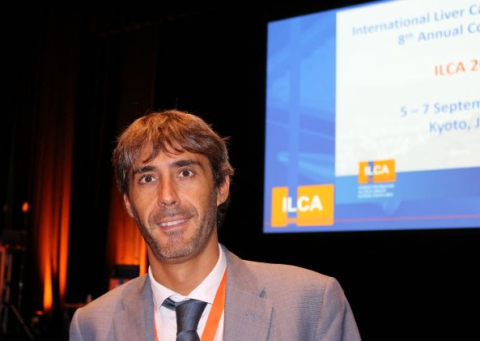
DI TOMMASO Luca
Docenti di ruolo di IIa fascia
Attachment (CV)
CV LDT english short 01-09-2024.pdf (curriculum vitae)
Overview (2)
Background. Hepatocellular carcinoma (HCC) is the second cause of cancer death worldwide; about 70% of patients present with intermediate/advanced disease. HCC are highly vascularized tumors and, accordingly, treatments for intermediate/advanced forms mainly target angiogenesis. Nonetheless, the benefit of these treatments is minimal and achieved in few patients. These frustrating results reveal our gap in understating the biology of HCC vascularization and in particular that of their essential constituent, tumoral endothelial cells (TEC).
Hypothesis. VETC (Vessel that Encapsulate Tumor Cluster) is peculiar type of vascular phenotype of HCC favoring metastatic dissemination and associated with worse prognosis. Our preliminary data showed that TEC in VETC+ HCC:
1) are directly involved in a more aggressive behavior;
2) influenced by specific tumor molecular pathway (-catenin); and may modulate tumor microenvironment (depleted immune cell infiltration);
3) likely, co-opted by few miRNA and possibly involve a Endothelial to mesenchymal transition (EndMT) to sustain their aggressiveness.
Our hypothesis is that TEC in VETC+ HCC are used by tumor cells to escape local control and facilitate metastases. A study dissecting the functional status, the molecular profile and the role played in tumor ecosystem by TEC in VETC+ will shed light on HCC angiogenesis and anti-angiogenic treatments.
Background. More than 70% of Hepatocellular carcinoma (HCC) are diagnosed in advanced stage, with a 5-year survival rate of ≈20%, consistent with the definition of Hard-To-Treat Cancer. Despite encouraging results, all in all the treatment for HCC is far from adequate and new therapies are imperative to improve patients’ outcome. Patient-derived-organoid (PDO), represented a breakthrough in the field of drugs screening and personalized therapeutics. In keeping with this, HCC-PDO were successfully used as a proof-of-concept to screen new drugs for HCC. Current HCC-PDO, however, lacks Tumor Micro Environment (TME) component, a major limitation taking into consideration that several HCC treatments are TME-(vascular; immune)-modulators.
Rationale. Preliminary data show that HCC vascular TME influences response to anti-angiogenic but not to immune modulators drugs. IDEA-TMEHCC is therefore based on the IDEA to explore, on an adequate preclinical model, how TME components influence HCC response to drugs.
The research hypothesis is to create HCC-PDO enriched with different types of TME and test on these models available and experimental drugs for HCC.
No Results Found
Publications (242)
Awards and honors
AIRC Investigator Grant,
conferred by Associaciazione Italiana per la Ricerca sul Cancro - 2020
No Results Found