

Person
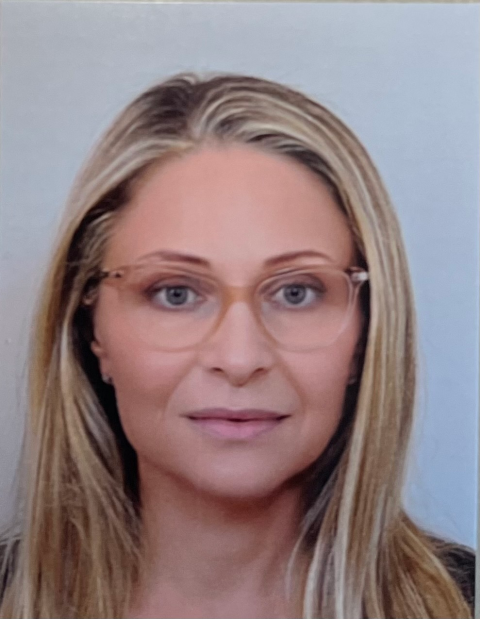
De Santis Maria
Docenti di ruolo di IIa fascia
Description
Name Maria
Surname De Santis
Phone 00390282247486
E-mail maria.de_santis@hunimed.eu
Web site https://www.hunimed.eu/it/
Present academic appointment:
-Associate Professor in Rheumatology, Humanitas University, Pieve Emanuele, Milan, Italy.
-President of the Bachelor's Degree and Master's Degree in Nursing at Humanitas University.
-Member of the PhD committee “Applied clinical Research”, Humanitas University.
-Member of the teaching committee of Clinical Immunology and Allergology residency program, and of Rheumatology residency program, Humanitas University.
Other institutional appointments
Head of “Systemic Autoimmune Diseases” Section, Rheumatology and Clinical Immunology Unit, IRCCS Humanitas Research Hospital, Rozzano, Milan, Italy.
Member of “Gender Equality Plan” group, Humanitas University.
Teaching appointments
Rheumatology course in Physiotherapy Degree and Nursing Degree, Humanitas, University
Academic background
2021-2024 Assistant Professor in Rheumatology (RTD-B), Humanitas University.
2016-2021 Adjunct Clinical Professor, Medical degree course, Humanitas University.
2012-2015 Tutor PhD program “Patologia e Neuropatologia Sperimentale”, University of Milan.
2010- 2015 Research Fellow (assegno di ricerca post-DOC tipo A), BIOMETRA Department, University of Milan and Autoimmunity and Metabolism Laboratory, IRCCS Humanitas Research Hospital.
2008-2010 Adjunct teaching professor, Rheumatology specialization course, “Fisiopatologia del
Coinvolgimento polmonare”, Catholic University, Policlinico A. Gemelli, Rome.
2007-2008 Adjunct teaching professor, Rheumatology specialization course, “Tecniche
diagnostiche citofluorimetria”, Catholic University, Policlinico A. Gemelli, Rome.
Education
2026 Qualified as Ordinary Professor for Rheumatology (Abilitazione Scientifica Nazionale) Scientific area 06/D3 - MED/16
2017-2026 Qualified as Associate Professor for Rheumatology (Abilitazione Scientifica Nazionale) Scientific area 06/D3 - MED/16
February 2017 Master “Problem solving in Rheumatology”, Niccolò Cusano University, Rome.
May 2008 PhD in Clinical Proteomics, University of Verona.
November 2004 Board Certification in Rheumatology, Catholic University, Policlinico A. Gemelli,
Rome.
July 2000 Medical Degree, Catholic University, Policlinico A. Gemelli, Rome.
Research description:
1. Systemic sclerosis pathogenesis, autoantibodies, internal organ involvement, and treatment
She started her career investigating scleroderma lung involvement applying semiquantitative computed tomography scoring systems, and biomarker discovery strategies, and she is now investigating AI-based software applied to lung tomography, and photon counting lung tomography.
She investigated scleroderma heart involvement spanning to from the histological and clinical patterns of scleroderma myocarditis to diagnostic algorithms, such as the validation of DETECT calculator for the diagnosis of pulmonary hypertension and the SAnCtUS score based on cardiac magnetic resonance parameters and able to predict fatal arrhythmias. She is now investigating scleroderma myocardial involvement with new magnetic resonance technologies (ANTHEM project), able to finely quantify inflammatory involvement and interstitial fibrosis of the myocardial tissue, and the role of novel autoantibodies in systemic sclerosis primary heart involvement combining immunoprecipitation technique, and proteomic strategies.
For the first time in 2005, her research group reported the beneficial effect of biologic agents, as anti-TNF-alpha, in systemic sclerosis patients and, subsequently, of the B-cell depletion with rituximab demonstrating its anti-fibrotic role mediated by IL-6 reduced expression. Subsequently, she investigated efficacy, safety, and retention rate of mycophenolate in the treatment of skin, lung, and heart scleroderma involvement. Moreover, collaborating with different international and national study groups, such as EUSTAR and SPRING, she contributed to define risk factors for scleroderma mortality, digital ulcers, adverse pregnancy outcomes, cancer, and COVID-19 impact. Ultimately, she defined the concept of Treatable Traits in systemic sclerosis.
She is in the scientific board of SCLERONET, the association of Scleroderma Units of Milan with the support of scleroderma patient group GILS (Gruppo Italiano per la Lotta alla Sclerodermia), and has been included in the scientific board identified by Mario Negri Hospital (center responsible for rare disease network) and actively participated to the definition of the PDTA “percorsi diagnostico-terapeutici assistenziali” for the diagnosis and treatment of systemic sclerosis
2. Adaptive and innate immune responses in inflammatory arthritis, drug response, and vaccines
She extensively studied T cell response against type II collagen epitopes in rheumatoid arthritis (in collaboration with Translational Medicine Department, Catholic University, Rome). The discovered collagen-specific CDR3 sequences of the T cell receptor have been filed in a national patent (RM2007A000429), and in an international patent (PCT/IB2008/053152). Subsequently, during her research fellowship post-DOC (BIOMETRA Department, University of Milan), she studied the lymphocyte response against post-translationally modified epitopes, such as citrullinated and carbamylated collagen epitopes, demonstrating their role in the breakdown of tolerance against collagen in rheumatoid arthritis.
She also studied interferon signature in psoriatic arthritis, mirrored by IFI16 hyperexpression and humoral response against IFI16. During the COVID-19 pandemic, she investigated the interferon response and pentraxin 3 expression in different clinical setting of SARS-CoV-2 infection thanks to the collaboration network with different labs from Harvard Medical School, Milano-Bicocca University, San Raffaele University, and Humanitas University. Moreover, she studied the humoral and cellular response to SARS-CoV-2 and to anti-SARS-CoV-2 RNA-based vaccines in rheumatic patients treated with different immunosuppressants demonstrating the negative dose-dependent effect of mycophenolate mofetil in the development of humoral response.
She investigated the effects of antirheumatic drugs targeting the JAK pathways and PDE4 on lymphocytes and innate immune cells in both rheumatoid arthritis and psoriatic arthritis.
3. Proteomic-based biomarker discovery in biological fluids of rheumatological interest. She investigated the role of new biomarkers in the saliva of Sjögren’s syndrome patients with electrospray ionization mass spectrometry (in collaboration with Proteomic Laboratory, Biochemistry Institute, Catholic University, Rome). In her Ph.D. thesis she identified the proteomic profile of primary Sjögren’s syndrome and described for the first time the presence of β-defensin 2 in Sjögren’s syndrome saliva and its role as specific biomarker of primary Sjögren’s syndrome compared the secondary disease. Moreover, she evidenced for the first time the presence of β-thymosins in the bronchoalveolar lavage fluid of scleroderma patients with interstitial lung disease and found a protective role thymosin β4 against lung tissue damage. She found novel biomarkers of scleroderma-associated interstitial lung disease, as IL-22BP, with a highly multiplexed mass spectrometry technique based on DNA aptamers (Somalogic).
Maria De Santis has coauthored 190 scientific publications.
Selected publications:
First-line diagnostic tests to intercept primary heart involvement in systemic sclerosis: clinical associations from the SPRING-SIR registry. Tonutti A, Motta F, De Angelis R, Cipolletta E, Ferri C, Bajocchi G, Bellando-Randone S, Bruni C, Orlandi M, Zanframundo G, Foti R, Cuomo G, Ariani A, Rosato E, Lepri G, Girelli F, Zanatta E, Bosello SL, Cavazzana I, Ingegnoli F, Cacciapaglia F, Murdaca G, Abignano G, Pettiti G, Della Rossa A, Caminiti M, Iuliano AM, Ciano G, Beretta L, Bagnato G, Lubrano E, De Andres I, Idolazzi L, Saracco M, Agnes C, Campochiaro C, Fornaro M, Lumetti F, Spinella A, Magnani L, De Luca G, Codullo V, Visalli E, Iandoli C, Gigante A, Pellegrino G, Pigatto E, Lazzaroni MG, De Lorenzis E, Mennillo G, Di Battista M, Pagano-Mariano G, Furini F, Vultaggio L, Parisi S, Peroni CL, Bianchi G, Fusaro E, Sebastiani GD, Govoni M, D’Angelo S, Cozzi F, Franceschini F, Guiducci S, Dagna L, Doria A, Giuggioli D, Riccieri V, Salvarani C, Iannone F, Matucci-Cerinic M, Selmi C, De Santis M; on behalf of SPRING-SIR (Systemic Sclerosis PRogression INvestiGation group of the Italian Society for Rheumatology). Eur J Clin Invest 2025. DOI: 10.1111/eci.70094.
Proteomic aptamer analysis reveals serum biomarkers associated with disease mechanisms and phenotypes of systemic sclerosis. Motta F, Tonutti A, Isailovic N, Ceribelli A, Costanzo G, Rodolfi S, Selmi C, De Santis M. Front Immunol. 2023 Sep 11;14:1246777. doi:10.3389/fimmu.2023.1246777. eCollection 2023. PMID: 37753072.
Dose-Dependent Impairment of the Immune Response to the Moderna-1273 mRNA Vaccine by Mycophenolate Mofetil in Patients with Rheumatic and Autoimmune Liver Diseases. De Santis M, Motta F, Isailovic N, Clementi M, Criscuolo E, Clementi N, Tonutti A, Rodolfi S, Barone E, Colapietro F, Ceribelli A, Vecellio M, Luciano N, Guidelli G, Caprioli M, Rezk C, Canziani L, Azzolini E, Germagnoli L, Mancini N, Lleo A, Selmi C. Vaccines 2022, 10, 801. https://doi.org/10.3390/ vaccines10050801. PMID: 35632557
Recognizing and treating myocarditis in recent-onset systemic sclerosis heart disease: potential utility of immunosuppressive therapy in cardiac damage progression. Pieroni M*, De Santis M*, Zizzo G, Bosello S, Smaldone C, Campioni M, De Luca G, Laria A, Meduri A, Bellocci F, Bonomo L, Crea F, Ferraccioli G. Semin Arthritis Rheum. 2014 Feb;43(4):526-35. DOI: 10.1016/j.semarthrit.2013.07.006; PMID: 23932313
A vascular endothelial growth factor deficiency characterises scleroderma lung disease. De Santis M, Bosello SL, Capoluongo E, Inzitari R, Peluso G, Lulli P, Zizzo G, Bocci M, Tolusso B, Zuppi C, Castagnola M, Ferraccioli G. Ann Rheum Dis. 2012 Sep;71(9):1461-5. DOI: 10.1136/annrheumdis-2011-200657; PMID: 22402140
Academic honors, awards and prices:
she was Humanitas principal investigator of clinical trials included in the Horizon 2023 Project 10109505 https://squeeze-project.eu;
co- principal investigator of a clinical trial funded by PNRR – Bando 2023 - PNRR-MCNT1-2023-12378434;
co- principal investigator of a clinical trial funded by a GILS grant 2023; https://www.sclerodermia.net/notizie/nomina-vincitori-bando-gils-2023/;
Eustar Database Improvement Grant 2026.
Surname De Santis
Phone 00390282247486
E-mail maria.de_santis@hunimed.eu
Web site https://www.hunimed.eu/it/
Present academic appointment:
-Associate Professor in Rheumatology, Humanitas University, Pieve Emanuele, Milan, Italy.
-President of the Bachelor's Degree and Master's Degree in Nursing at Humanitas University.
-Member of the PhD committee “Applied clinical Research”, Humanitas University.
-Member of the teaching committee of Clinical Immunology and Allergology residency program, and of Rheumatology residency program, Humanitas University.
Other institutional appointments
Head of “Systemic Autoimmune Diseases” Section, Rheumatology and Clinical Immunology Unit, IRCCS Humanitas Research Hospital, Rozzano, Milan, Italy.
Member of “Gender Equality Plan” group, Humanitas University.
Teaching appointments
Rheumatology course in Physiotherapy Degree and Nursing Degree, Humanitas, University
Academic background
2021-2024 Assistant Professor in Rheumatology (RTD-B), Humanitas University.
2016-2021 Adjunct Clinical Professor, Medical degree course, Humanitas University.
2012-2015 Tutor PhD program “Patologia e Neuropatologia Sperimentale”, University of Milan.
2010- 2015 Research Fellow (assegno di ricerca post-DOC tipo A), BIOMETRA Department, University of Milan and Autoimmunity and Metabolism Laboratory, IRCCS Humanitas Research Hospital.
2008-2010 Adjunct teaching professor, Rheumatology specialization course, “Fisiopatologia del
Coinvolgimento polmonare”, Catholic University, Policlinico A. Gemelli, Rome.
2007-2008 Adjunct teaching professor, Rheumatology specialization course, “Tecniche
diagnostiche citofluorimetria”, Catholic University, Policlinico A. Gemelli, Rome.
Education
2026 Qualified as Ordinary Professor for Rheumatology (Abilitazione Scientifica Nazionale) Scientific area 06/D3 - MED/16
2017-2026 Qualified as Associate Professor for Rheumatology (Abilitazione Scientifica Nazionale) Scientific area 06/D3 - MED/16
February 2017 Master “Problem solving in Rheumatology”, Niccolò Cusano University, Rome.
May 2008 PhD in Clinical Proteomics, University of Verona.
November 2004 Board Certification in Rheumatology, Catholic University, Policlinico A. Gemelli,
Rome.
July 2000 Medical Degree, Catholic University, Policlinico A. Gemelli, Rome.
Research description:
1. Systemic sclerosis pathogenesis, autoantibodies, internal organ involvement, and treatment
She started her career investigating scleroderma lung involvement applying semiquantitative computed tomography scoring systems, and biomarker discovery strategies, and she is now investigating AI-based software applied to lung tomography, and photon counting lung tomography.
She investigated scleroderma heart involvement spanning to from the histological and clinical patterns of scleroderma myocarditis to diagnostic algorithms, such as the validation of DETECT calculator for the diagnosis of pulmonary hypertension and the SAnCtUS score based on cardiac magnetic resonance parameters and able to predict fatal arrhythmias. She is now investigating scleroderma myocardial involvement with new magnetic resonance technologies (ANTHEM project), able to finely quantify inflammatory involvement and interstitial fibrosis of the myocardial tissue, and the role of novel autoantibodies in systemic sclerosis primary heart involvement combining immunoprecipitation technique, and proteomic strategies.
For the first time in 2005, her research group reported the beneficial effect of biologic agents, as anti-TNF-alpha, in systemic sclerosis patients and, subsequently, of the B-cell depletion with rituximab demonstrating its anti-fibrotic role mediated by IL-6 reduced expression. Subsequently, she investigated efficacy, safety, and retention rate of mycophenolate in the treatment of skin, lung, and heart scleroderma involvement. Moreover, collaborating with different international and national study groups, such as EUSTAR and SPRING, she contributed to define risk factors for scleroderma mortality, digital ulcers, adverse pregnancy outcomes, cancer, and COVID-19 impact. Ultimately, she defined the concept of Treatable Traits in systemic sclerosis.
She is in the scientific board of SCLERONET, the association of Scleroderma Units of Milan with the support of scleroderma patient group GILS (Gruppo Italiano per la Lotta alla Sclerodermia), and has been included in the scientific board identified by Mario Negri Hospital (center responsible for rare disease network) and actively participated to the definition of the PDTA “percorsi diagnostico-terapeutici assistenziali” for the diagnosis and treatment of systemic sclerosis
2. Adaptive and innate immune responses in inflammatory arthritis, drug response, and vaccines
She extensively studied T cell response against type II collagen epitopes in rheumatoid arthritis (in collaboration with Translational Medicine Department, Catholic University, Rome). The discovered collagen-specific CDR3 sequences of the T cell receptor have been filed in a national patent (RM2007A000429), and in an international patent (PCT/IB2008/053152). Subsequently, during her research fellowship post-DOC (BIOMETRA Department, University of Milan), she studied the lymphocyte response against post-translationally modified epitopes, such as citrullinated and carbamylated collagen epitopes, demonstrating their role in the breakdown of tolerance against collagen in rheumatoid arthritis.
She also studied interferon signature in psoriatic arthritis, mirrored by IFI16 hyperexpression and humoral response against IFI16. During the COVID-19 pandemic, she investigated the interferon response and pentraxin 3 expression in different clinical setting of SARS-CoV-2 infection thanks to the collaboration network with different labs from Harvard Medical School, Milano-Bicocca University, San Raffaele University, and Humanitas University. Moreover, she studied the humoral and cellular response to SARS-CoV-2 and to anti-SARS-CoV-2 RNA-based vaccines in rheumatic patients treated with different immunosuppressants demonstrating the negative dose-dependent effect of mycophenolate mofetil in the development of humoral response.
She investigated the effects of antirheumatic drugs targeting the JAK pathways and PDE4 on lymphocytes and innate immune cells in both rheumatoid arthritis and psoriatic arthritis.
3. Proteomic-based biomarker discovery in biological fluids of rheumatological interest. She investigated the role of new biomarkers in the saliva of Sjögren’s syndrome patients with electrospray ionization mass spectrometry (in collaboration with Proteomic Laboratory, Biochemistry Institute, Catholic University, Rome). In her Ph.D. thesis she identified the proteomic profile of primary Sjögren’s syndrome and described for the first time the presence of β-defensin 2 in Sjögren’s syndrome saliva and its role as specific biomarker of primary Sjögren’s syndrome compared the secondary disease. Moreover, she evidenced for the first time the presence of β-thymosins in the bronchoalveolar lavage fluid of scleroderma patients with interstitial lung disease and found a protective role thymosin β4 against lung tissue damage. She found novel biomarkers of scleroderma-associated interstitial lung disease, as IL-22BP, with a highly multiplexed mass spectrometry technique based on DNA aptamers (Somalogic).
Maria De Santis has coauthored 190 scientific publications.
Selected publications:
First-line diagnostic tests to intercept primary heart involvement in systemic sclerosis: clinical associations from the SPRING-SIR registry. Tonutti A, Motta F, De Angelis R, Cipolletta E, Ferri C, Bajocchi G, Bellando-Randone S, Bruni C, Orlandi M, Zanframundo G, Foti R, Cuomo G, Ariani A, Rosato E, Lepri G, Girelli F, Zanatta E, Bosello SL, Cavazzana I, Ingegnoli F, Cacciapaglia F, Murdaca G, Abignano G, Pettiti G, Della Rossa A, Caminiti M, Iuliano AM, Ciano G, Beretta L, Bagnato G, Lubrano E, De Andres I, Idolazzi L, Saracco M, Agnes C, Campochiaro C, Fornaro M, Lumetti F, Spinella A, Magnani L, De Luca G, Codullo V, Visalli E, Iandoli C, Gigante A, Pellegrino G, Pigatto E, Lazzaroni MG, De Lorenzis E, Mennillo G, Di Battista M, Pagano-Mariano G, Furini F, Vultaggio L, Parisi S, Peroni CL, Bianchi G, Fusaro E, Sebastiani GD, Govoni M, D’Angelo S, Cozzi F, Franceschini F, Guiducci S, Dagna L, Doria A, Giuggioli D, Riccieri V, Salvarani C, Iannone F, Matucci-Cerinic M, Selmi C, De Santis M; on behalf of SPRING-SIR (Systemic Sclerosis PRogression INvestiGation group of the Italian Society for Rheumatology). Eur J Clin Invest 2025. DOI: 10.1111/eci.70094.
Proteomic aptamer analysis reveals serum biomarkers associated with disease mechanisms and phenotypes of systemic sclerosis. Motta F, Tonutti A, Isailovic N, Ceribelli A, Costanzo G, Rodolfi S, Selmi C, De Santis M. Front Immunol. 2023 Sep 11;14:1246777. doi:10.3389/fimmu.2023.1246777. eCollection 2023. PMID: 37753072.
Dose-Dependent Impairment of the Immune Response to the Moderna-1273 mRNA Vaccine by Mycophenolate Mofetil in Patients with Rheumatic and Autoimmune Liver Diseases. De Santis M, Motta F, Isailovic N, Clementi M, Criscuolo E, Clementi N, Tonutti A, Rodolfi S, Barone E, Colapietro F, Ceribelli A, Vecellio M, Luciano N, Guidelli G, Caprioli M, Rezk C, Canziani L, Azzolini E, Germagnoli L, Mancini N, Lleo A, Selmi C. Vaccines 2022, 10, 801. https://doi.org/10.3390/ vaccines10050801. PMID: 35632557
Recognizing and treating myocarditis in recent-onset systemic sclerosis heart disease: potential utility of immunosuppressive therapy in cardiac damage progression. Pieroni M*, De Santis M*, Zizzo G, Bosello S, Smaldone C, Campioni M, De Luca G, Laria A, Meduri A, Bellocci F, Bonomo L, Crea F, Ferraccioli G. Semin Arthritis Rheum. 2014 Feb;43(4):526-35. DOI: 10.1016/j.semarthrit.2013.07.006; PMID: 23932313
A vascular endothelial growth factor deficiency characterises scleroderma lung disease. De Santis M, Bosello SL, Capoluongo E, Inzitari R, Peluso G, Lulli P, Zizzo G, Bocci M, Tolusso B, Zuppi C, Castagnola M, Ferraccioli G. Ann Rheum Dis. 2012 Sep;71(9):1461-5. DOI: 10.1136/annrheumdis-2011-200657; PMID: 22402140
Academic honors, awards and prices:
she was Humanitas principal investigator of clinical trials included in the Horizon 2023 Project 10109505 https://squeeze-project.eu;
co- principal investigator of a clinical trial funded by PNRR – Bando 2023 - PNRR-MCNT1-2023-12378434;
co- principal investigator of a clinical trial funded by a GILS grant 2023; https://www.sclerodermia.net/notizie/nomina-vincitori-bando-gils-2023/;
Eustar Database Improvement Grant 2026.
Overview
No Results Found
Publications (206)
Awards and honors (4)
Eustar Database Improvement Grant 2026,
conferred by EUSTAR - 2026
Principal Investigator progetto Horizon 2023,
conferred by Unione Europea - 2023
PNRR Bando 2023,
conferred by Ministero della Salute - 2023
Grant GILS 2023,
conferred by Gruppo Italiano per la Lotta alla Sclerodermia - 2023
No Results Found